
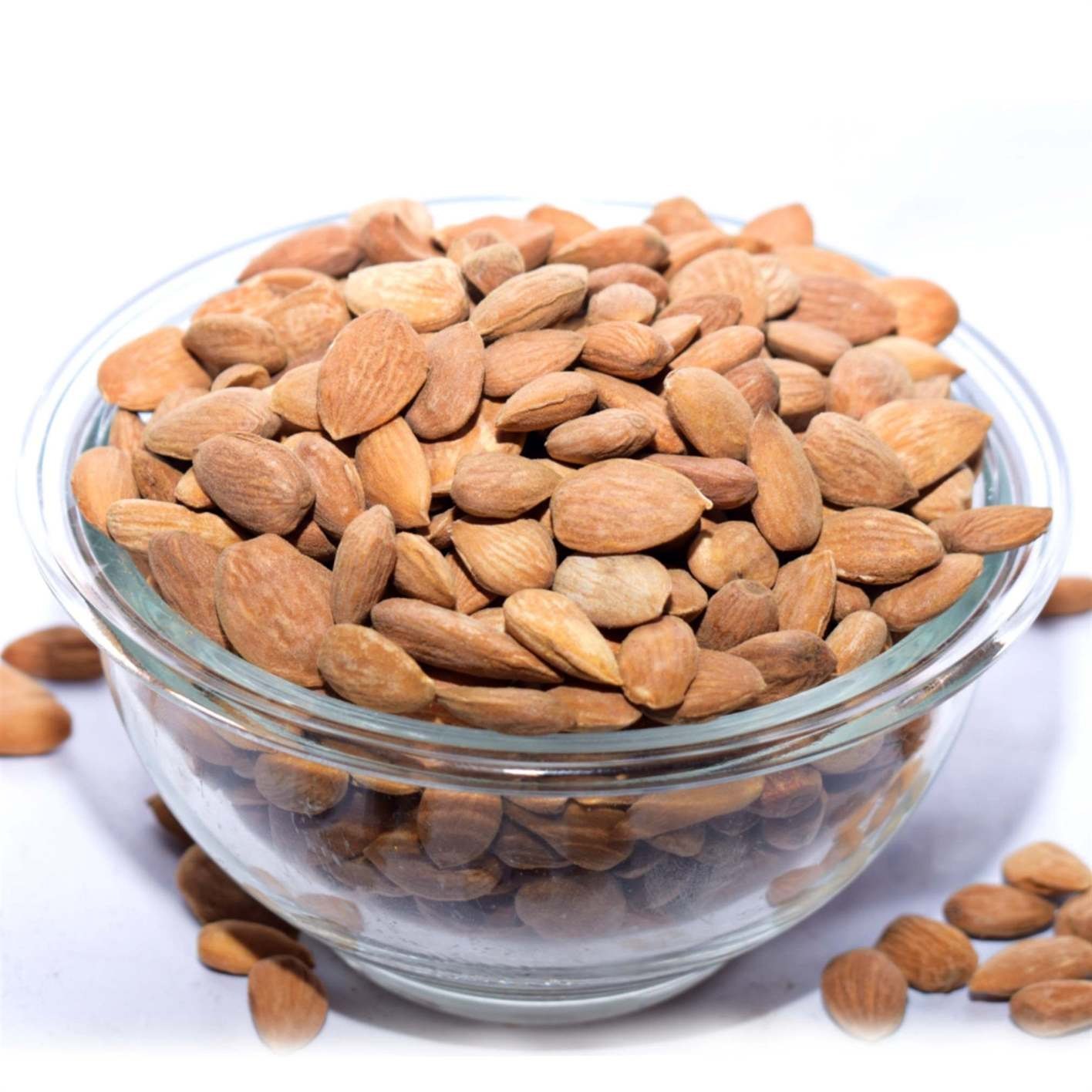
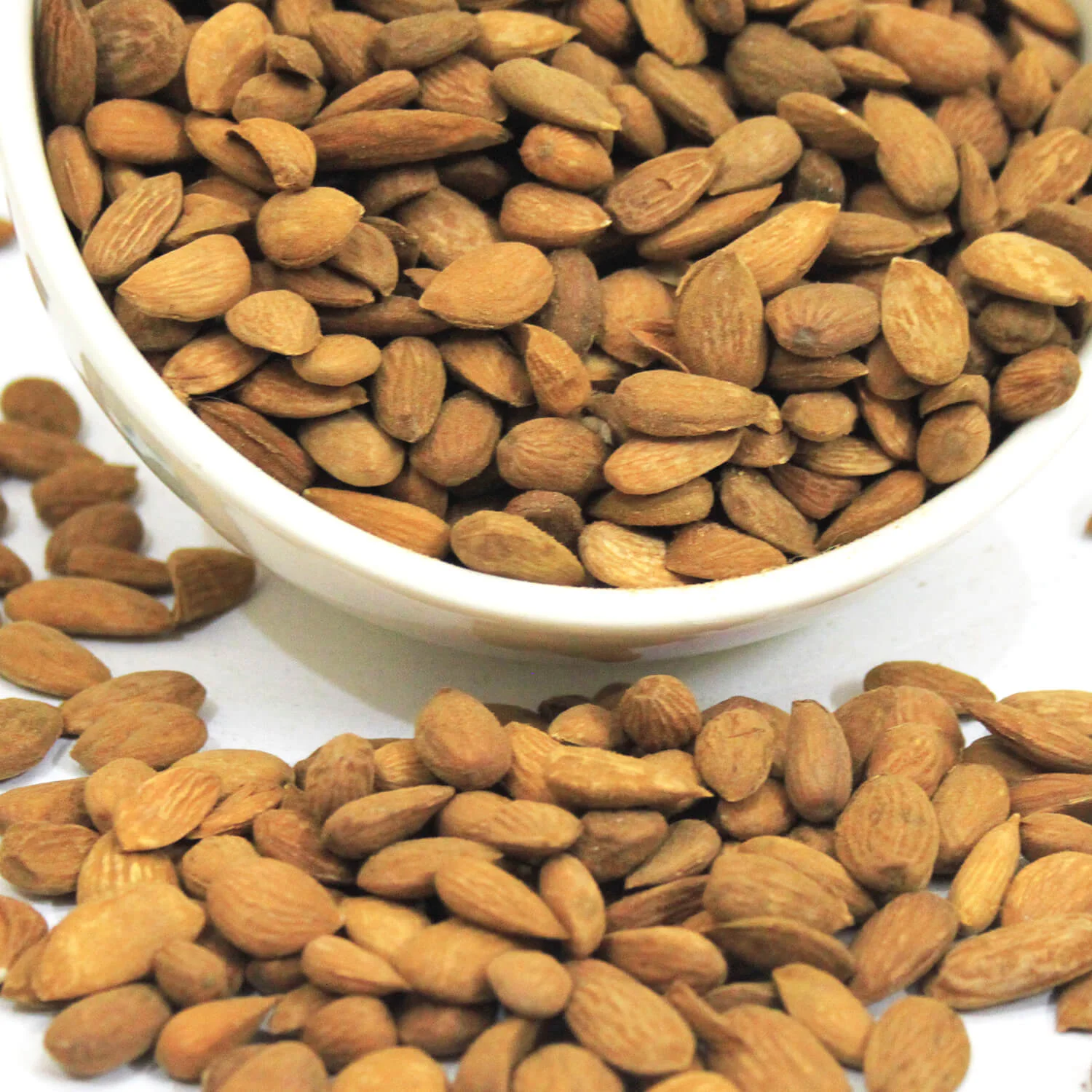
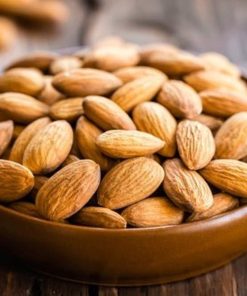
Almond Gurbandi (Badam Giri)
Price range: Rs 900 through Rs 3,300
- Rich in Healthy Fats
Provides essential monounsaturated and polyunsaturated fats that support heart health. - High in Protein
Offers a good source of plant-based protein, essential for muscle maintenance and overall health. - Packed with Vitamins and Minerals
Contains vitamins E and B, magnesium, and calcium, which support skin health, energy levels, and bone strength. - Supports Digestive Health
High in dietary fiber, which aids in digestion and helps prevent constipation. - Promotes Brain Health
Rich in antioxidants and healthy fats that support cognitive function and memory. - Helps in Weight Management
The combination of protein and fiber can help you feel full longer, assisting in weight control.
Overview
almonds are one of the world’s most loved tree nuts which are highly nutritious and filled with fats, antioxidants, including vitamins and minerals.
The almond is a tree nut native to the Mediterranean region.
The Bible’s first book, Genesis, references almonds as prized gifts given.
The seed of an almond is edible, and it comes from a drupe, a fruit with an outer shell and hull that are typically not eaten.
Benefits
- Almonds contain L-carnitine and riboflavin that helps in the growth of brain cells.
- One major chemical that helps the brain in cognitive function is phenylalanine and almonds do have this chemical in them.
- Consuming just five pieces of almonds every morning can help you boost your brainpower.
- Almonds help protect you from heart disease with their anti-inflammatory and antioxidant properties.
- Almonds seem to help curb blood sugar spikes after meals, which is key for people with diabetes.
- Almonds can protect the health and immunity of the gastrointestinal tract.
- Almonds are said to contain higher levels of Vitamin E which is an antioxidant that protects your cells from getting toxic.
- Almonds have a rich source of antioxidants that can protect you against stress.
- Stress leads to molecule damage that thereby results in inflammation, cancer and ageing.
- Almonds have certain amounts of fiber present in them that helps in detoxifying the body.
- Consuming almonds help food to move through the digestive system more easily.
- Almonds have high fiber in them and this reduces your risk of developing colon cancer.
- Breast cancer is regulated by vitamin E and flavonoids.
- Red blood cells carrying very little oxygen cause anemia.
- Almonds have some amount of magnesium in them that benefits the nervous system.
- Almonds contain folic acids that protect the mother from any sort of birth defects.
Side Effects
Here are some of the risks that are associated with the consumption of almonds.
- Nausea
- Vomiting
- Difficulty swallowing
- Diarrhea
- Shortness of breath
- Morning itching
Nutritional Value
A 1-ounce (28-gram) serving of almonds contains:
Fiber: 3.5 grams
Protein: 6 grams
Fat: 14 grams (9 of which are monounsaturated)
Vitamin E: 37% of the RDI
Manganese: 32% of the RDI
Magnesium: 20% of the RDI
They contain a decent amount of copper.
vitamin B2 (riboflavin) and phosphorus.
| Weight | 1000 Grams, 250 Grams, 500 Grams |
|---|
Related products

Dry Fruits

Dry Fruits

Dry Fruits

Dry Fruits
کاجو
Price range: Rs 650 through Rs 2,600