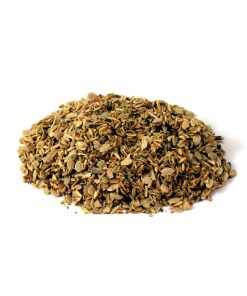
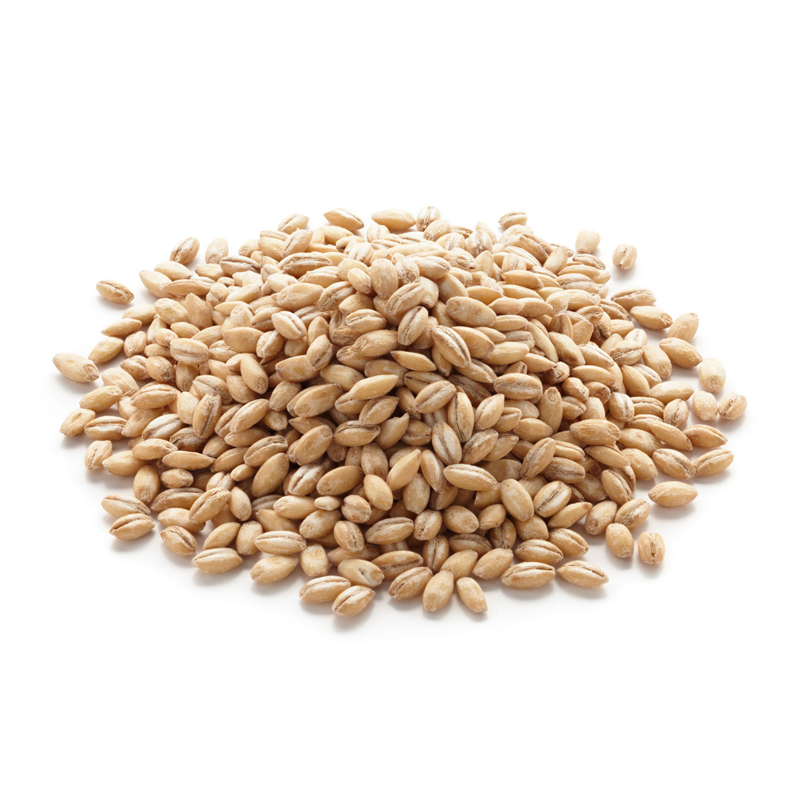
Barley (Joo)
جو
Rs 56
- Control Blood Pressure
- Improve Bone Health
- Decrease The Risk Of Heart Disease
- Helps Lower The Total Amount Of Cholesterol
- Promotes Weight Loss
Barley/Joo (جو) also known as Hordeum Vlgare, is a major cereal grain, commonly found in bread, beverages, and various cuisines of every culture. It was one of the first cultivated grains in history and, to this day, remains one of the most widely consumed grains, globally. They are important sources of dietary fiber, vitamins, and minerals.It is a wonderfully versatile grain that is prized for its nutty flavor and chewy, pasta-like texture. It can be prepared in a number of ways.
Health benefits:
- Control blood pressure
- Improve bone health
- Helps lower the total amount of cholesterol in the blood and decrease the risk of heart disease.
- It plays a role in liver enzyme function and helps detoxify some cancer-causing compounds in the body.
- It reduces chronic inflammation.
- Because of its fiber content, barley helps to prevent constipation and promote regularity for a healthy digestive tract.
- Promotes Weight loss
- Barley can be applied to the skin for treating boils.
- Increase overall strength and energy
- Reduces Symptoms of Arthritis
- Diet rich in fiber from whole grains, such as barley, offered up to a 50% reduction in breast cancer.
- It helps to cure anemia.
- It has healing properties
- Barley tightens skin and eliminates toxins, makes skin silky and pleasantly toned.
- Has anti-aging Properties
- It promotes hair growth and combat hair loss
Potential health risks of consuming barley
Barley contains gluten, and, therefore, should be avoided by those with celiac disease. Malt, malted beverages such as beer, and several flavorings are derived from barley, which means they are not gluten-free and should not be consumed by individuals with celiac.
Barley is likely safe for most people when taken by mouth appropriately. Barley flour can sometimes cause asthma.
Barley is likely safe when taken by mouth during pregnancy in amounts commonly found in foods.
Consuming barley might cause an allergic reaction in people who are sensitive to other cereal grains, including rye, wheat, oat, corn and rice.
The information is for educational purposes only. This information has not been evaluated by the Food and Drug Administration.
This information is not intended to diagnose, treat, cure, or prevent any disease.
Related products