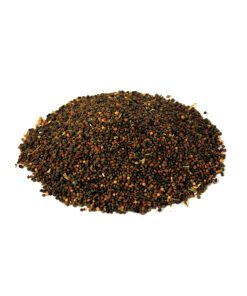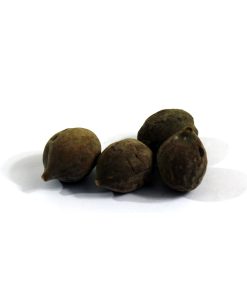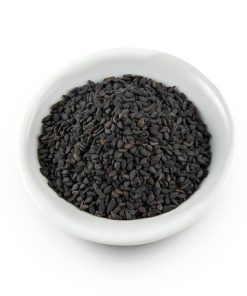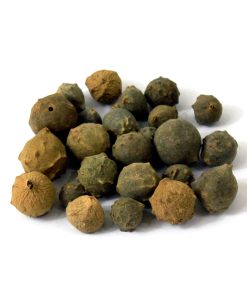
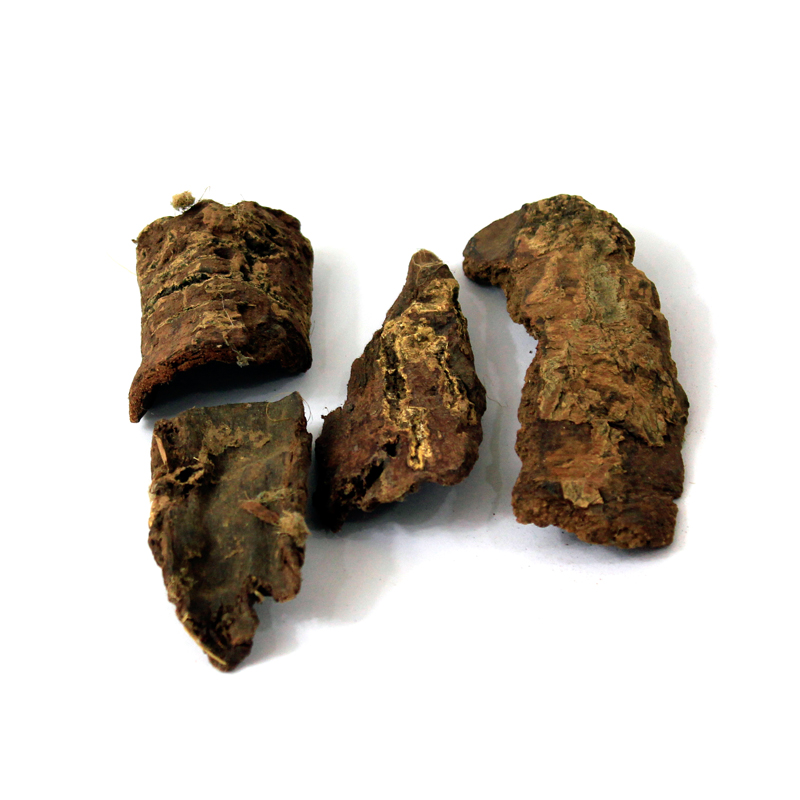
Box Myrtle (Kath Phal)
کاٹھپل
Rs 121
Box myrtle/Kath Phal (کاٹھپل) also known as Myrica Nagi Thunb, is an evergreen tree, native to the Indian subcontinent and the Himalayas, as well as to the Malaysian islands, China, Singapore and Japan. It is used for its edible fruit which have a lot of seeds and are red, about 13 millimetres in diameter, as well as for medicine.
The tree is mentioned in the ancient Ayurvedic texts and the bark and fruit are mainly used in medicines. It is thought the tree is harmful for the liver and spleen, but it is used for bronchial problems such as coughs and catarrh, asthma, to reduce fevers, to help patients with diabetes, for cancerous tumours and halitosis (bad breath).
It is thought that the fruit is good to regulate a woman’s period and the wax from the fruit is put on skin ulcers to heal them. The juice from unripe fruit is thought to be good to get rid of internal worms.
The information is for educational purposes only. This information has not been evaluated by the Food and Drug Administration.
This information is not intended to diagnose, treat, cure, or prevent any disease.
Related products