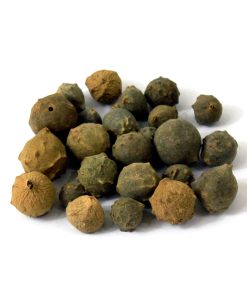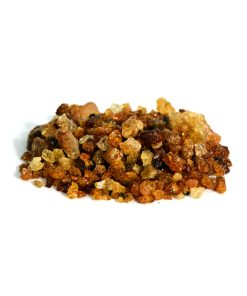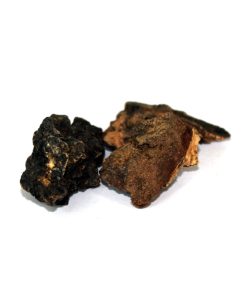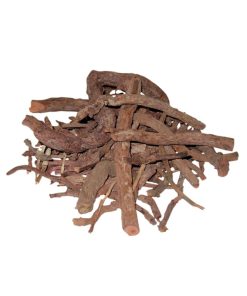
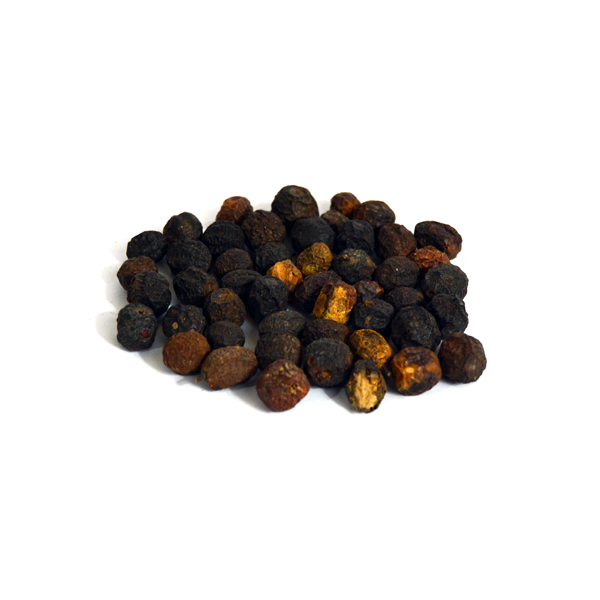
Chinaberry (Bakain)
بکائن
Rs 99
- Kills The Parasites
- Relieves Chest Pain
- Used For Treating Various Diseases
- Used To Treat For analgesic
- Covers Liver,Small Intestine,Bladder,Stomach
Chinaberry / Bakain (بکائن) also known as Cape Lilac, Persian Lilac, Indian Lilac, Syringa Berry and Melia Azedarach used for treating various diseases. This tree has antioxidant, antimicrobial, anti-inflammatory, cardioprotective, analgesic, anticancer, antiulcer, antipyretic, anti-plasmodial activities.
TCM believes that it is bitter, cold, and slightly toxic in nature. It covers four meridians, such as liver, stomach, small intestine, and bladder. Typical functions are to promoting Qi circulation to relieve pain, soothe liver to vent heat, and kill parasites. Main uses and indications are pains in chest, flanks, abdomen, and ribs, hernia pain, abdominal pain due to roundworms or tapeworms, and tinea capitis.
Side Effects:
The adverse reactions of chinaberry come in two cases. In a mild case, the symptoms include dizziness, headache, somnolence, nausea, vomiting, and abdominal pain. In severe cases, the symptoms include respiratory paralysis, toxic hepatitis, internal bleeding, mental disorders and others.
The information is for educational purposes only. This information has not been evaluated by the Food and Drug Administration.
This information is not intended to diagnose, treat, cure, or prevent any disease.
Related products