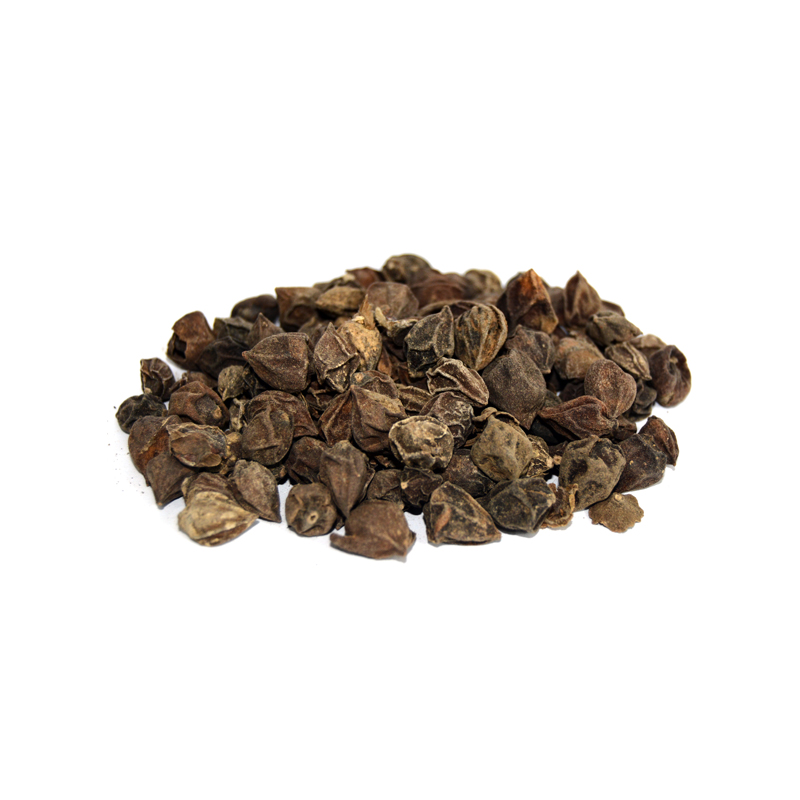
Dried Assyrian Plum (Sapistan Khushk, Lasoora)
سپتان خشک
Rs 101
Assyrian plum/Sapistan Khushk, Lasoora (سپتان خشک, لسوڑا) is a species of flowering plant in the borage family, Boraginaceae known as Cordia Myxa. It is a medium-sized broad-leaved deciduous tree. It is found growing primarily in Asia, as well as, across the globe especially in tropical regions having the right type of geophysical environment. In the Indian subcontinent, it is seen coming up naturally and growing abundantly from Myanmar in the east to Afghanistan in the west.
The ripe fruit are full of vitamins and regular use is supposed to be helpful in good growth of hair. Assyrian plum preparations are, thus, good for people whose constitution might have tendency to go baldy. In addition to fruit, assyrian plum bark and roots are also very effective as a local remedy against cough, cold and various other ailments connected with indigestion and throat problems.
The information is for educational purposes only. This information has not been evaluated by the Food and Drug Administration.
This information is not intended to diagnose, treat, cure, or prevent any disease.
Related products