
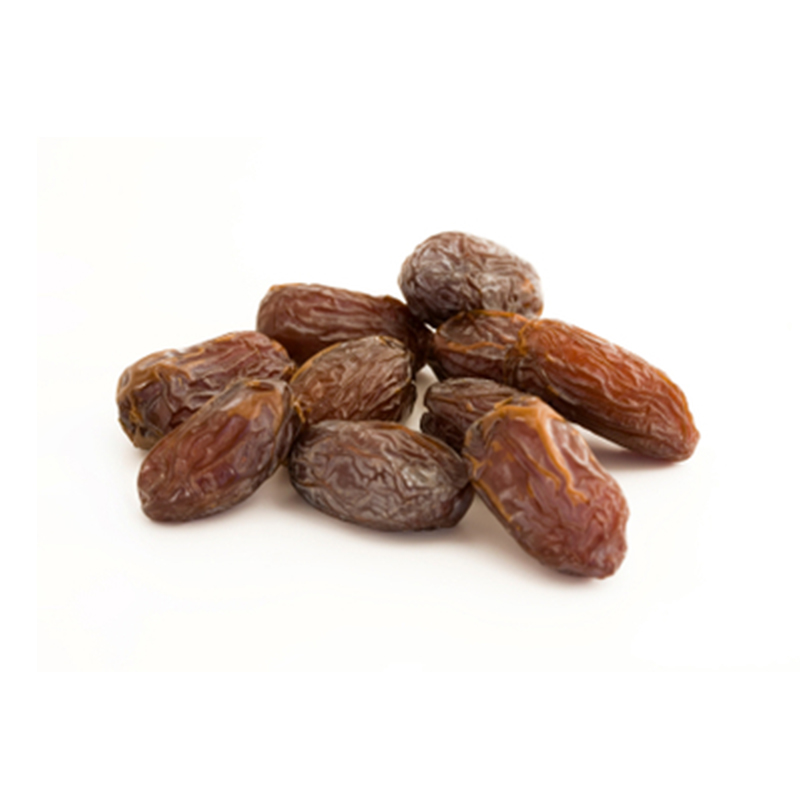
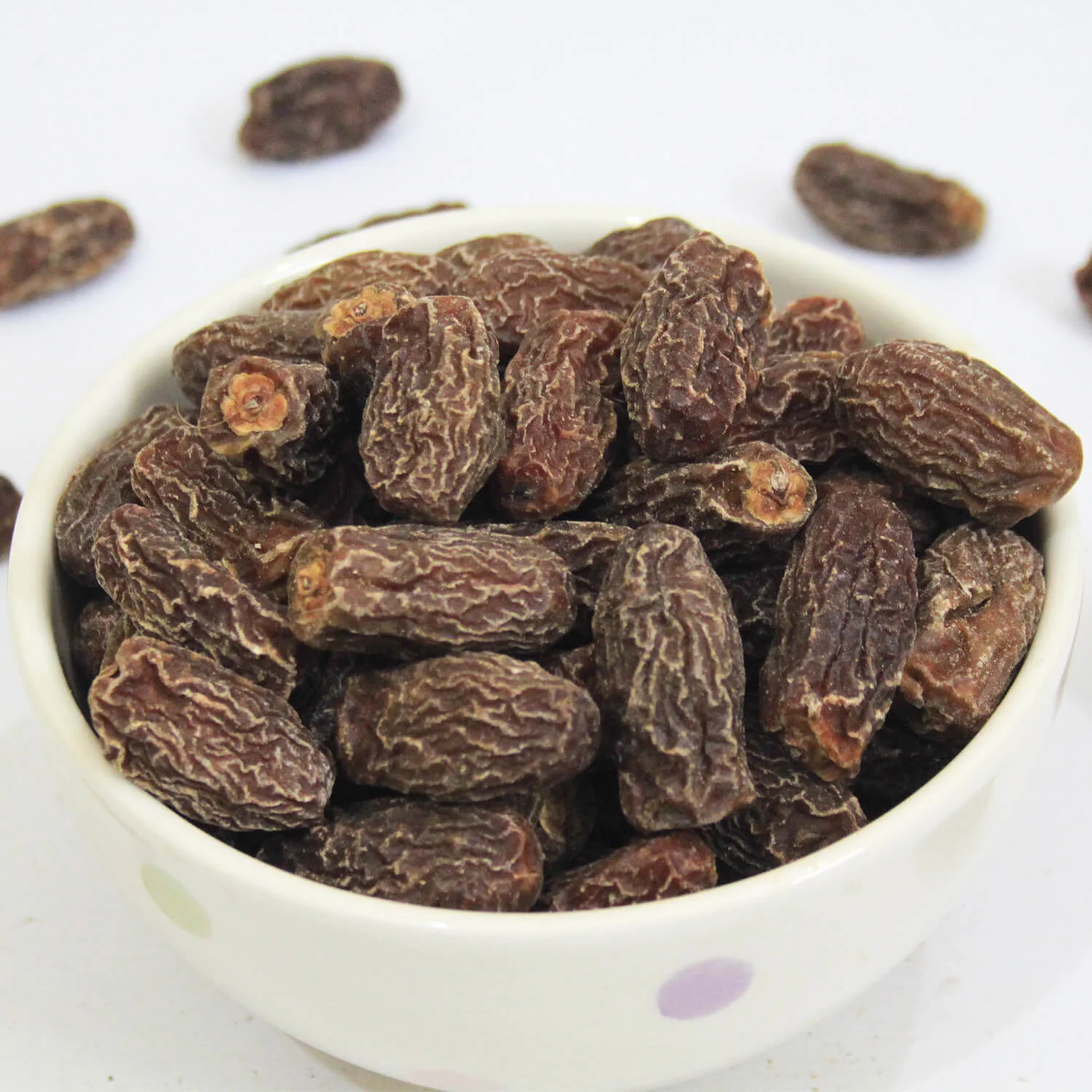

Dry Dates (Chuhare)
چھووارہ
Price range: Rs 300 through Rs 900
Super Dry Dates: Naturally Sweet, Wholesome, and Packed with Nutrition.
Dry dates are a delicious and naturally sweet snack that provides a rich, caramel-like flavor with every bite. These sun-dried dates are packed with essential nutrients like fiber, potassium, magnesium, iron, and antioxidants, making them a powerhouse of energy and health benefits. Known for their ability to support digestion, boost heart health, and improve skin vitality, dry dates are a perfect addition to your daily diet. Whether enjoyed on their own, added to smoothies, baked goods, or used in savory dishes, they offer a satisfying, nutritious treat. Store in a cool, dry place to keep them plump, fresh, and full of flavor.
- Premium Quality
- Fresh Crop
- Organic
- Safely Processed And Packed
Overview
Date fruits are wild or cultivated; the plant is endemic to dry land areas.
The plant is commonly grown in arid regions of Africa, the Middle East, and parts of Asia, and has been introduced in North America and Australia.
Dates are traditionally used for several purposes although the nutritional significance of the date fruits as food is beyond imagination.
Chemical analysis of date fruits indicated large variation in nutritional composition, depending on the species cultivars.
Benefits
- The date provides various kinds of antioxidants to treat different diseases.
- Antioxidants protect your cells from free radicals that may cause harmful reactions in your body and lead to disease.
- Dates are rich in copper, selenium and magnesium which are very important nutrients to keep your bone healthy and prevent bony related disorders.
- It is also rich in vitamin K which helps to regulate the coagulation of blood and helps metabolize your bones.
- Each date contains choline, vitamin B that is very beneficial for the learning and memory process, especially in Alzheimer’s disease children.
- Dates are the sweetest fruit with natural sugar content in them.
- It can reduce your cravings for unhealthy sweet products and sugar.
| Weight | 1000 Grams, 250 Grams, 500 Grams |
|---|
Related products
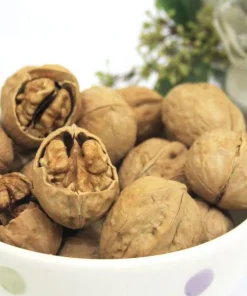
Dry Fruits
اخروٹ گری
Price range: Rs 380 through Rs 1,150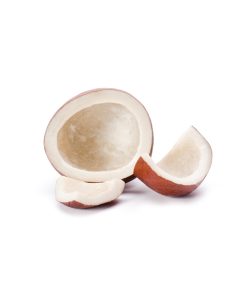
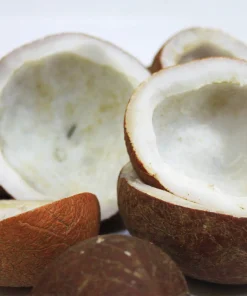
Dry Fruits
کھوپرا
Price range: Rs 450 through Rs 1,500
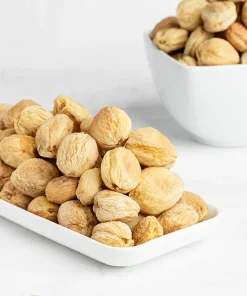
Dry Fruits
خوبانی
Price range: Rs 250 through Rs 1,800
Dry Fruits