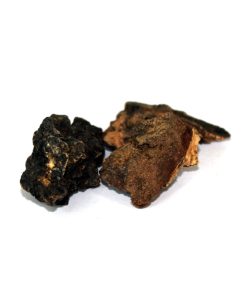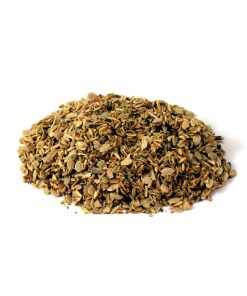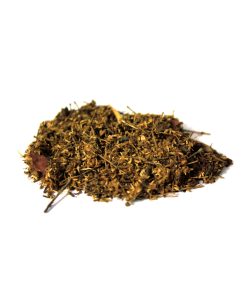
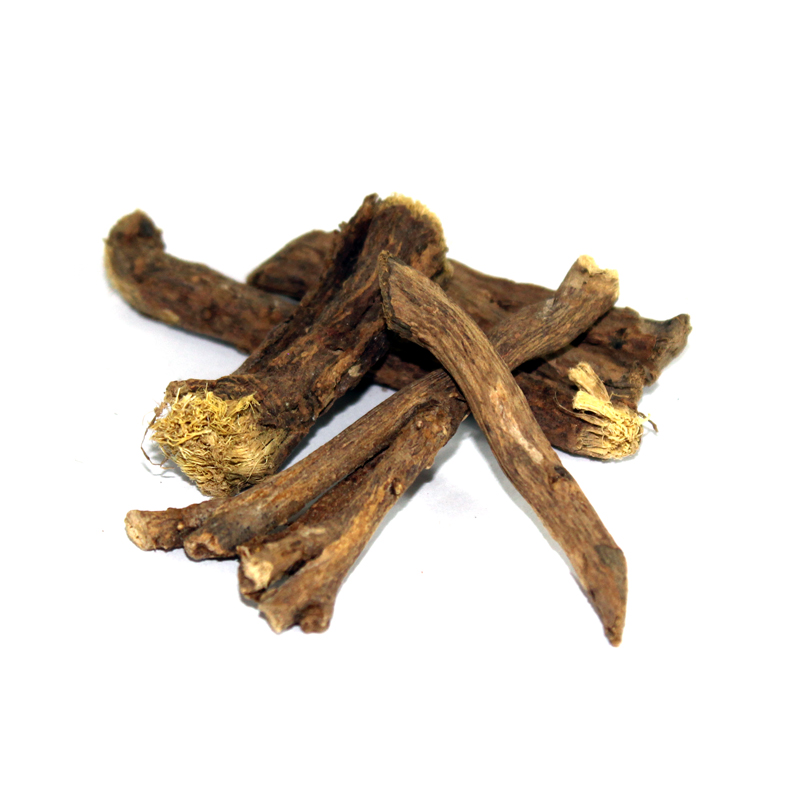
Liquorice (Asal Alsoos Saidah, Malethi)
اصل السوس سایدہ
Rs 99
- Helps Treat Respiratory Problems.
- Soothes Digestive Ailments.
- Relieves Acidity And Constipation.
- Treats Ulcer.
- Helps In Weight Loss.
Liquorice/Asal Alsoos Saidah, Malethi (اصل السوس سایدہ, ملیٹھی) is also known as Glycyrrhiza Glabra, is a purple and white flowering perennial, native to the Mediterranean region and to central and Southwest Asia. It is cultivated widely for the sweet taproot that grows to a depth of four feet (1.2 m). Liquorice is also called sweet root as it is sweet in taste. The root is perennial, round, long and straight, tough and fibrous. It is grayish outside and yellowish within. And its most desirable virtues lie inside of the cortical.
Traditionally, liquorice was used as a medicine rather than as a spice. The main part of the plant used in medicine is the root. This root is a demulcent and gentle relaxant, soothing to mucous irritations, and valued chiefly for its sweet taste and in masking the sharpness / pungency / taste of other remedies.
Health benefits:
- Helps treat respiratory problems.
- Soothes digestive ailments.
- Relieves acidity and constipation.
- Treats Ulcer.
- Helps in weight loss.
- Alleviates menopause problems.
- Promotes oral health.
- Antiviral and Antibacterial properties.
- Anti-inflammatory and anti-allergic effects.
Side effects and Precautions:
Liquorice is beneficial for health in several ways. But one of the drawbacks of liquorice is that it may cause peripheral edema (fluid retention) due to the retention of sodium with a loss of potassium, which disappears when liquorice is stopped. This can cause high blood pressure.However for people with Addison’s disease this is exactly the type of effect needed. In Addison’s disease, the body collects sodium and promotes water loss leading to a serious imbalance of sodium, potassium, and other minerals and water. Consumption of plenty of fresh fruits and vegetables to increase potassium intake is recommended to help decrease the chance of side effects.
Liquorice is not recommended for pregnant women as it may cause miscarriage or early delivery. Due to insufficient research and evidence, the National Institute of Health recommends avoiding the use of liquorice during breastfeeding.
The information is for educational purposes only. This information has not been evaluated by the Food and Drug Administration.
This information is not intended to diagnose, treat, cure, or prevent any disease.
Related products