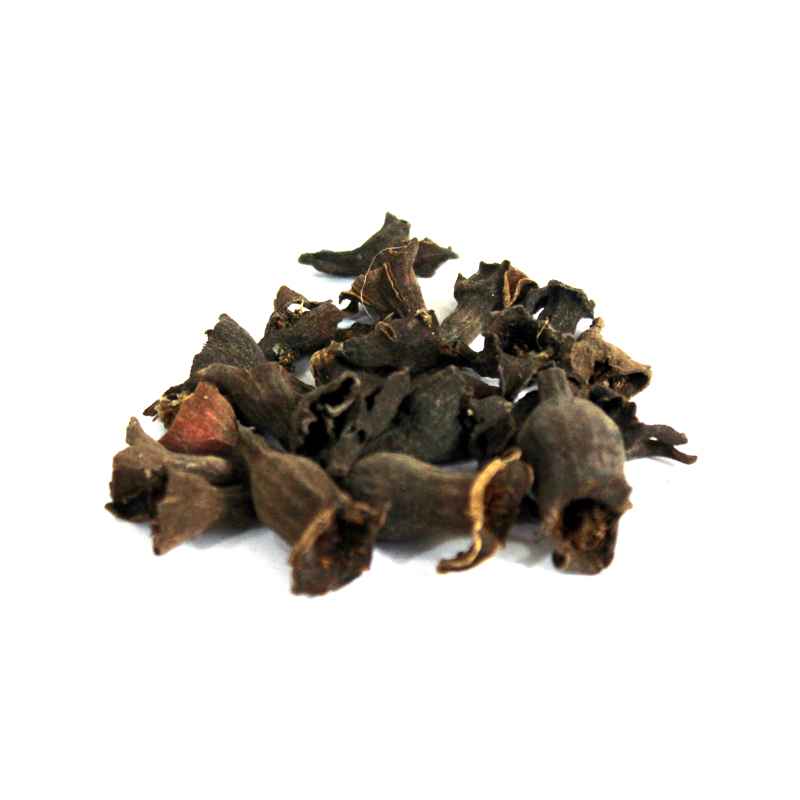
Pomegranate Bud (Kali Anar)
کلی انار
Rs 91
Pomegranate tree is native from the Middle East to the Himalayas in northern India. It has been cultivated and naturalized since ancient times throughout the Mediterranean region of Asia, Caucasus, northern Africa and Europe.
Pomegranate is a one of the most popular nutritious fruit, its flavor and qualities makes it different to taste and it has some medicinal properties too. It is a very good and smart choice for your dietary plans, as the nutritional benefits of pomegranate are amazing.
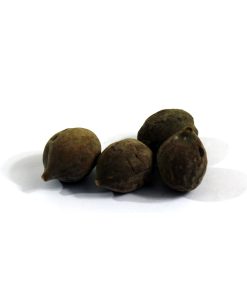
The attractive scarlet, white or variegated pomegranate bud/Kali Anar (کلی انار) also known as Punica Granatum, is over an inch across and have 5 to 8 crumpled petals and a red, fleshy, tubular calyx which persists on the fruit. The buds may be solitary or grouped in twos and threes at the ends of the branches.
The information is for educational purposes only. This information has not been evaluated by the Food and Drug Administration.
This information is not intended to diagnose, treat, cure, or prevent any disease.
Related products