Sesame (Til)
تل
Rs 111
- The Ability To Prevent Diabetes
- Lower Blood Pressure
- Increase Heart Health
- Improve Digestion
- Improve Blood Circulation
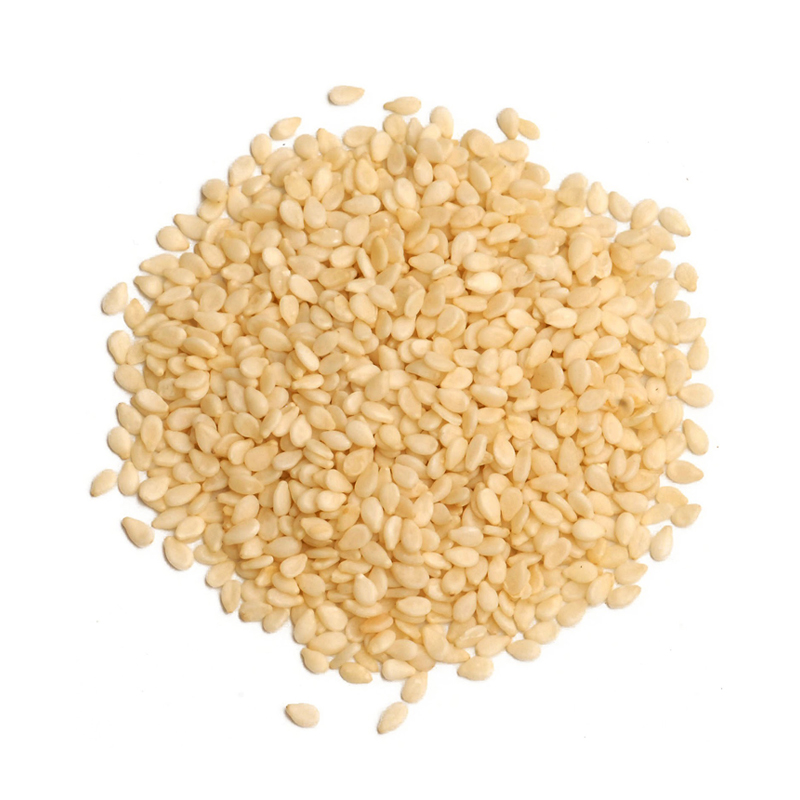
Sesame seeds/Til (تل) also known as Benne are derived from the plant of the Sesamum genus and bears the scientific name of Sesamum indicum. Sesame seeds are considered the oldest oildseed crop in the world, and have been intentionally cultivated for more than 3,500 years. It has a distinctly nutty flavor. Most of the health benefits are derived from the oils, which are found in higher concentrations in sesame seeds that in any other oilseed crop in the world. The sesame plant is no more than 3 feet tall, and the seeds are released from small pods along the plants’ axes. The seeds themselves are very small, only 3-4 mm long and 2 mm wide. The seeds comes in a wide variety of colors, depending on the variety or strain of the sesame plant. It contains vitamins, minerals, natural oils, and organic compounds which consist of calcium, iron, magnesium, phosphorous, manganese, copper, zinc, fiber, thiamin, vitamin B6, folate, protein, and tryptophan. They are commonly added to salads, as an ingredient or topping for bread and grain products, crackers, sushi, cakes, soups, breading for fish and meat, and a wide variety of other applications.
Health benefits:
Sesame seeds are extremely beneficial for health they include
- The ability to prevent diabetes
- Lower blood pressure
- Prevent a wide variety of cancers
- Build strong bones
- Protect against radiation
- Increase heart health
- Help cure sleep disorders
- Improve digestion
- Reduce inflammation
- Boost respiratory health
- Strengthen oral health
- Aid in healthy growth
- Improve blood circulation
- Detoxify the body
- Eliminate depression and chronic stress.
Precautions and Warnings:
Excessive consumption of sesame seeds can cause irritation in the stomach and colon.Using whole seed on regular basis or the oil extracted from them increase the chance to develop different types of allergies (like digestive issues, eye inflammation, runny nose, asthma, etc.)
Eating sesame seeds during the first trimester of pregnancy is bad for health. It sometimes may lead to miscarriage.
The information is for educational purposes only. This information has not been evaluated by the Food and Drug Administration.
This information is not intended to diagnose, treat, cure, or prevent any disease.
Related products